4:30 a.m.
Black. Wind and your breathing. "4:30 A.M." comes up small in the corner.
Nothing to light. Get to the spot early and record two minutes of the real dark: wind, a far off truck, nothing. That sound carries the first seconds.
The morningYour storyboard as a shoot plan. Fifteen beats in your order, about 90 seconds. How long each one holds, what is in the frame, and how to get it.
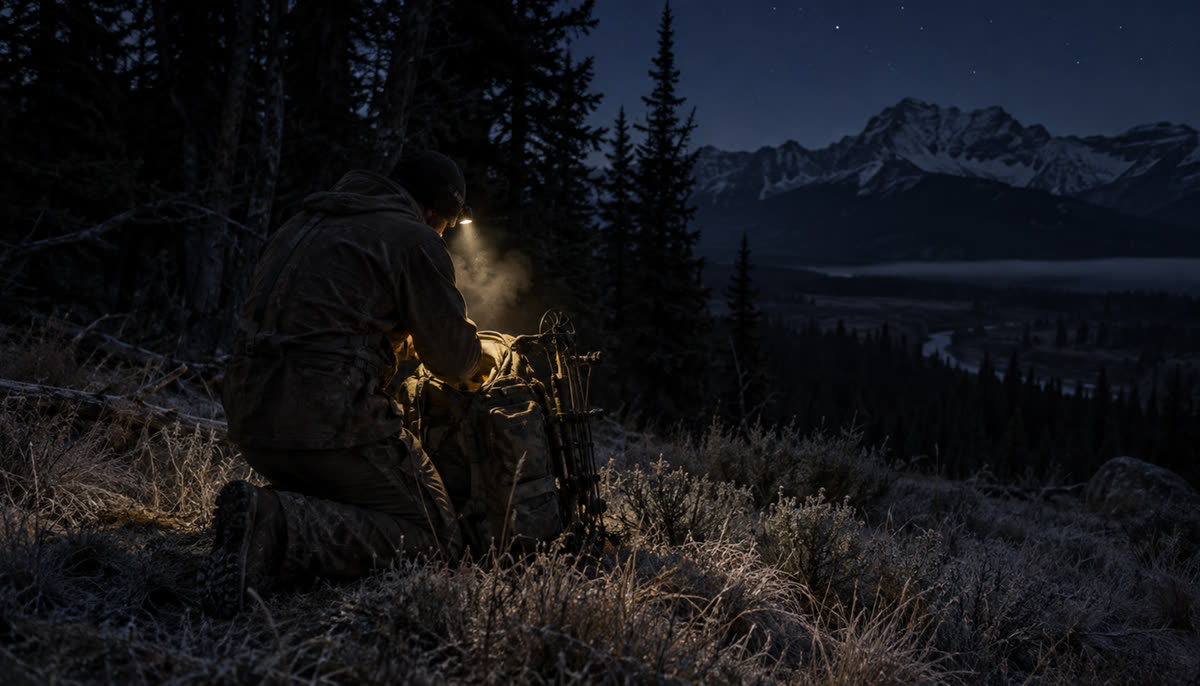
The pictures are the stand ins from my 30 second taste. In the real one it is you, your boots and your kids.
Black. Wind and your breathing. "4:30 A.M." comes up small in the corner.
Nothing to light. Get to the spot early and record two minutes of the real dark: wind, a far off truck, nothing. That sound carries the first seconds.
The morning
Click. One beam comes on and we only see what it hits.
Set exposure and focus by hand before the click, or the camera hunts when the light comes on. Two or three takes and it is done.
The morning
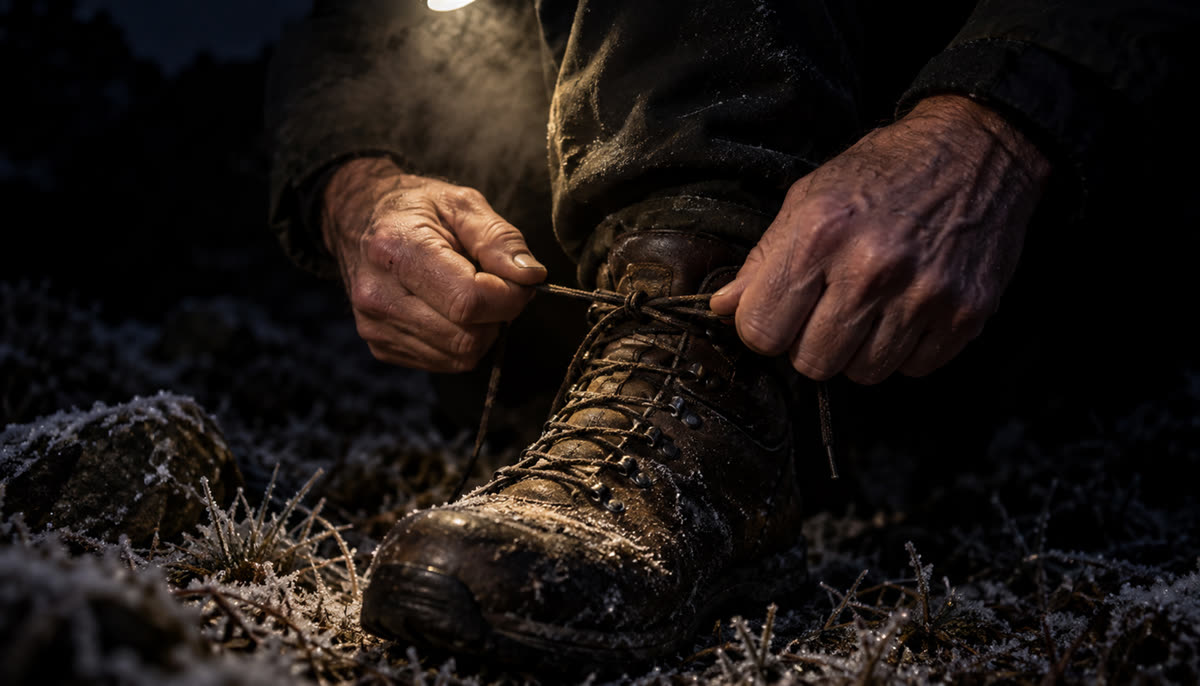
Tight on the boots. Laces pulled hard, frost on the ground, breath drifting through the beam.
Your own worn boots, not new ones. Camera low on the ground, you sitting on the tailgate.
The morning
You kneel by the pack in the beam. Bow strapped on, zipper, one strap pulled tight. Your face stays in the dark.
You have packed this a hundred times, so do not act it, just pack. Let the camera roll the whole time and pick the best 7 seconds later. One dim light low behind you keeps your outline from going black.
The morning
Close on your hands. Knuckles, cold skin, the light from the side.
This is your line about hands older than in your earlier films. Pull one shot of your hands from Nothing Easy or an old Days in the Wild episode, then match the same angle this morning. Cut back to back, that says it without a word.
The morning, plus one old shot of yours
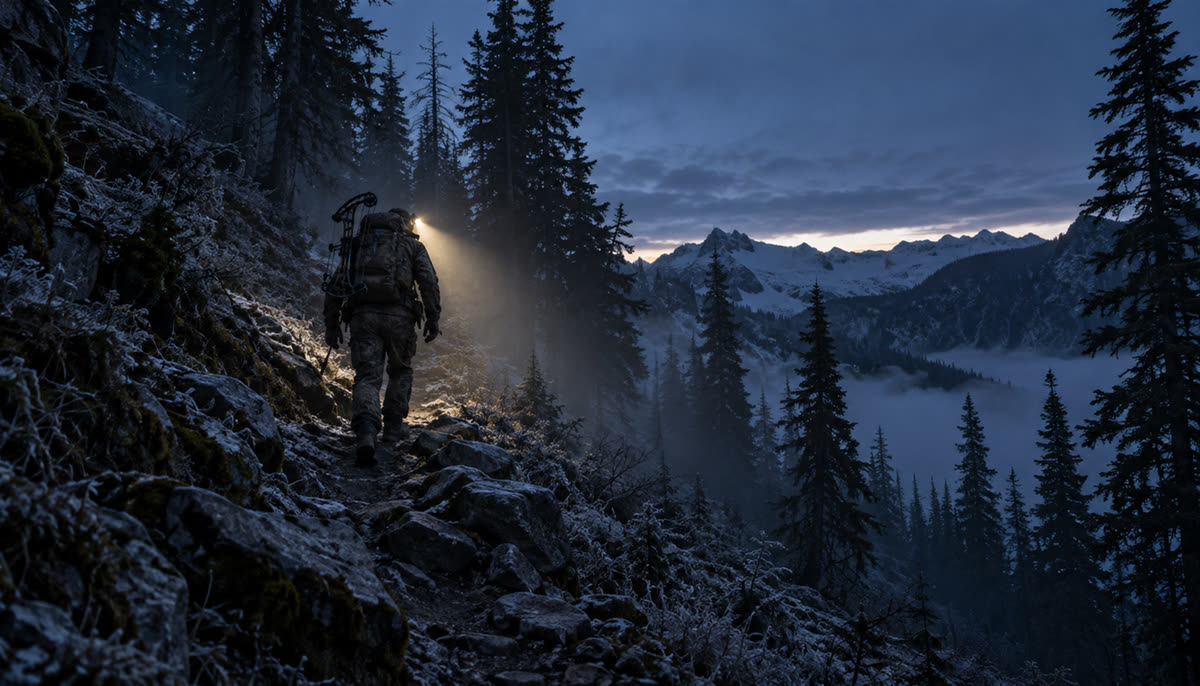
From behind. You climb the trail away from us, the beam in the mist, first blue on the ridge. No explanation.
Like the open of Nothing Easy, your outline against the first light. Camera on a tripod, you walk into the frame and out of it. Shoot it in the last half hour before sunrise, when the sky turns blue but the beam still shows.
The morning
Something has to dieThe hike holds, you get smaller. Your line, nothing else under it.
Record both of your lines at home before the shoot. A phone in a closet full of clothes is fine for now. Then you know exactly how long the hike has to run.
At home
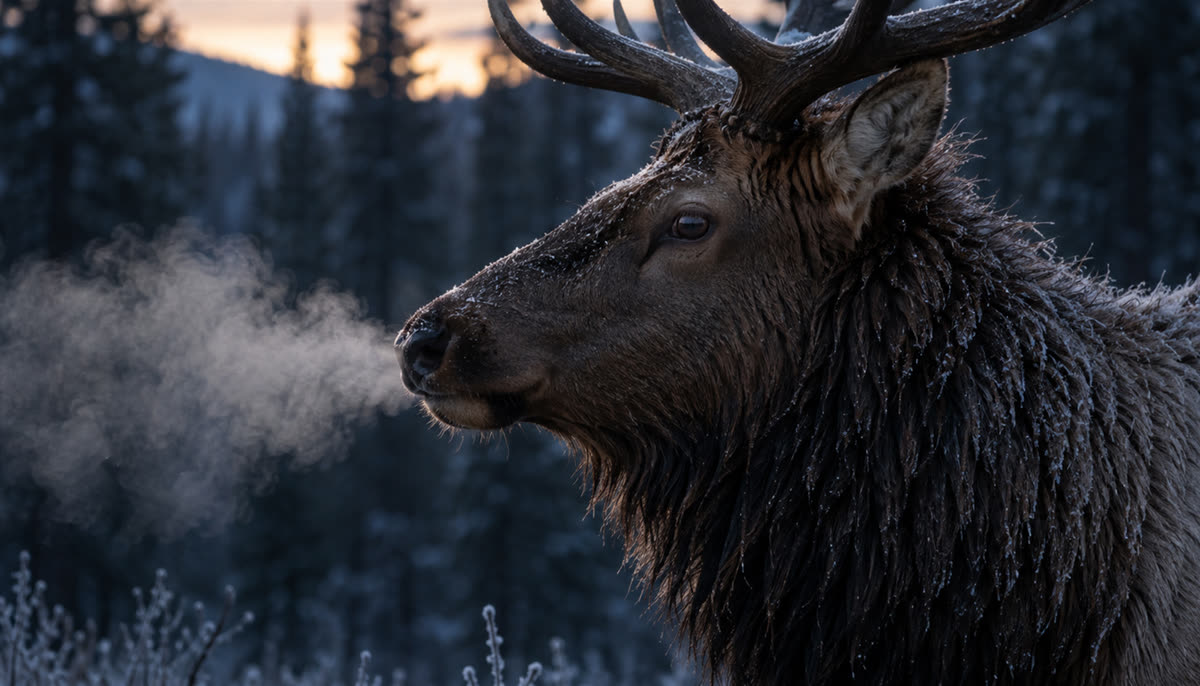
Hard cut. Close on a bull, breath pouring out.
Look in your own elk footage first, the late season hunt or Montana. Breath only shows when it is near freezing, so it is a cold morning on a long lens, or licensed stock.
Your old footage or stock
Clean, bright, mist over the greens. Nobody in it.
Ask a local store manager for ten minutes before opening. A slow push down the aisle on your phone is enough. Stock works too.
B roll or stock
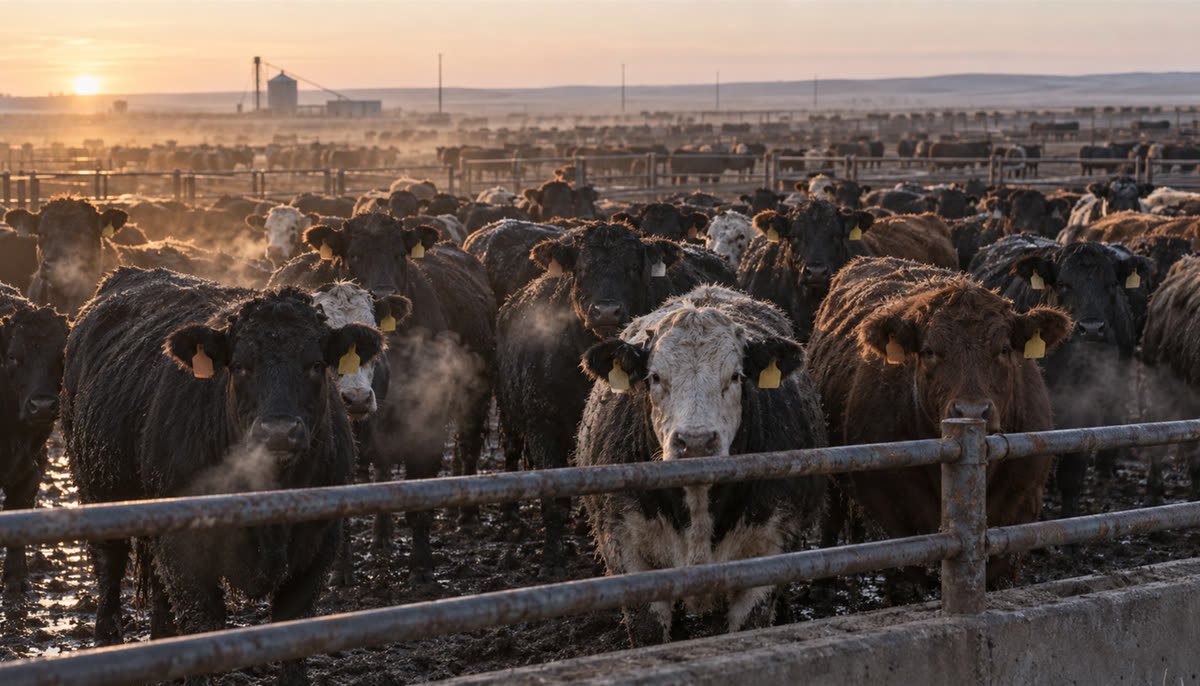
A crowded feedlot, steam off their noses, a steel fence.
A rancher you know, or stock. Long lens, early light, dust in the air.
B roll or stock
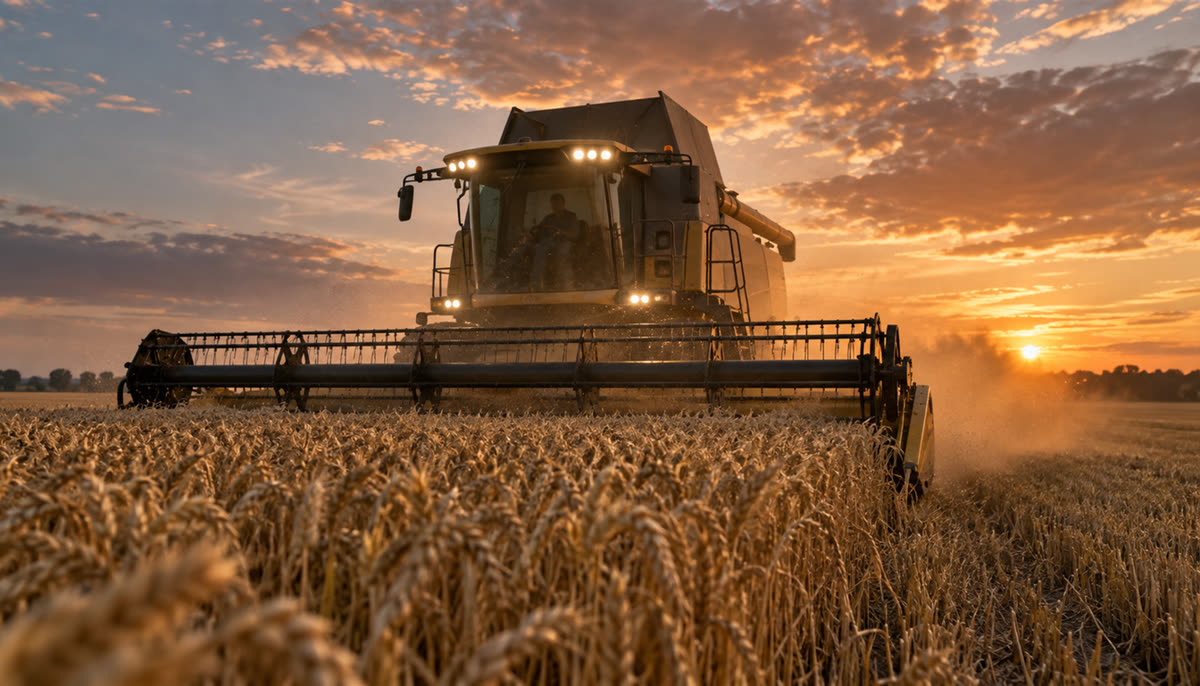
A combine cutting toward us, dust pouring out behind it.
Stock, unless you know a farmer at harvest time. Low camera, let it come at you.
Stock
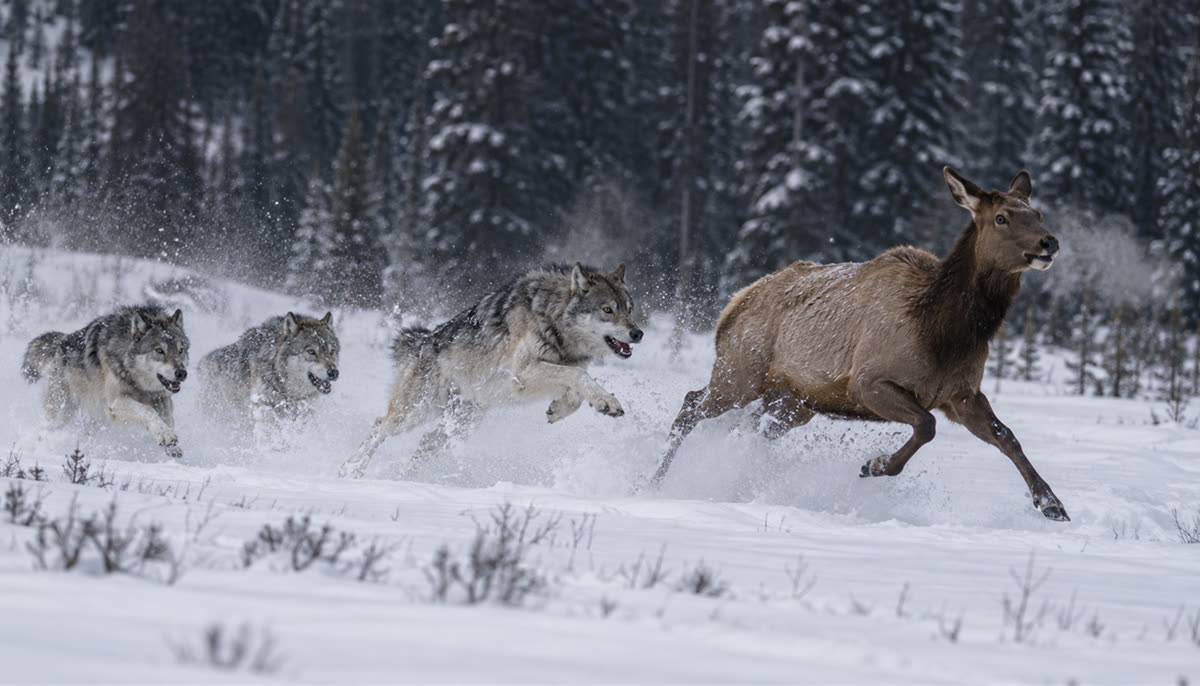
Wolves running down an elk in deep snow.
Licensed wildlife footage, nobody can stage this one. I would keep it to the chase and the moment they reach her. After the produce aisle, that hits harder than blood.
Stock
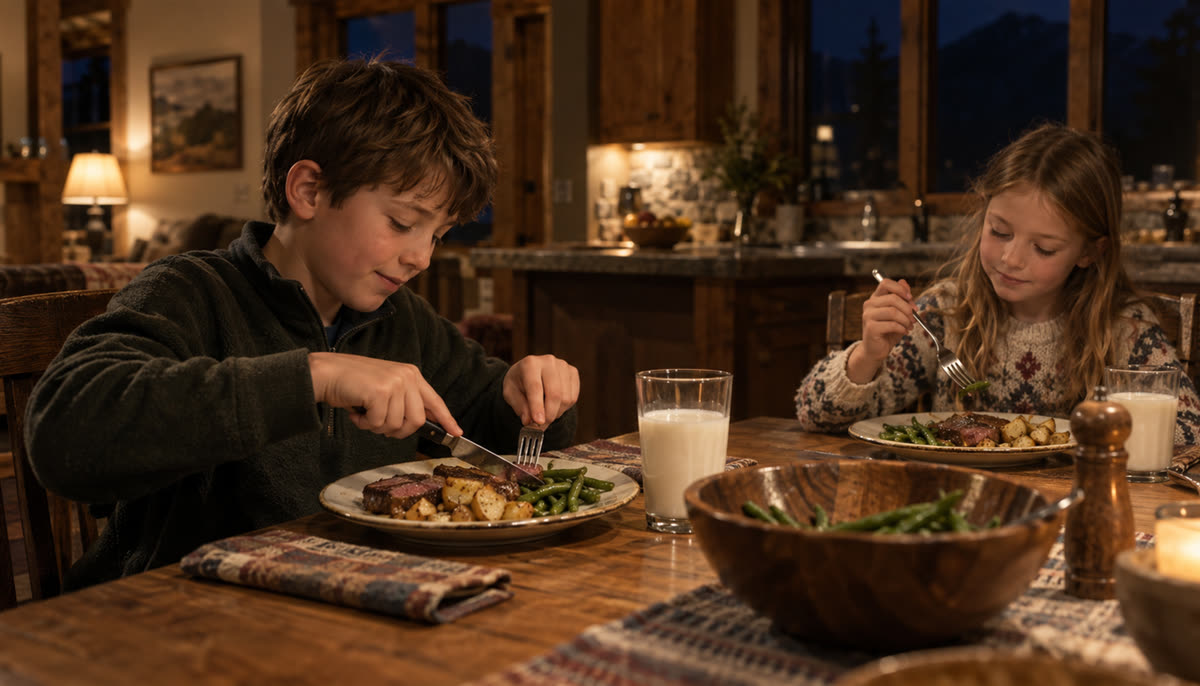
Your own table, lamp light, the kids eating quietly. Nobody talks.
One evening at home, about 20 minutes. Put something you hunted on the plates. Same thing you wrote under Lucas's first javelina: when something has to die, it deserves respect.
At home
That sounds harsh. Maybe even cruel.We stay at the table. A slow push in on a plate while your words play.
17 seconds is long for one shot, so get three angles at dinner: wide on the table, one plate, one hand with a fork. Then the line can breathe over them.
At homeBlack. The title, then the line under it. One low hit of sound.
Nothing to shoot. This one is made in the edit.
Made in the editBeats 1 to 6 at one trailhead, from about 4:00 until sunrise. You, one person on camera, a tripod and one small light.
Dinner with the kids, three angles. Your two lines in a quiet room.
One old shot of your hands, the elk, the store, the cattle, the combine and the wolves.
The 4:30 card and the title.
You see the pacing before you pay for a shoot day. A moving Act I shows if your two lines land and if 90 seconds feels right, while it is still cheap to change.
You walk into the shoot with this list locked. One morning and one evening, no day lost on shots the cut does not need.
Something to show before the film exists. Partners, sponsors, your channel. People get behind what they can watch.
The cut becomes your edit guide. When the real footage comes in, it drops in shot by shot, same timing.
This list is yours either way :)